-
MHP Exports - Vietnam’s Leading FMCG Exporter
- (+84) 918 182 471
- sales@mhpexports.com



Copyright © 2024 Minh Hong Phat Exports. All rights reserved
Copyright © 2024 Minh Hong Phat Exports. All rights reserved
MHP Exports - Vietnam’s Leading FMCG Exporter
The potato chips market is expected to grow from USD 56.23 billion in 2025 to USD 59.67 billion in 2026 and is forecast to reach USD 80.25 billion by 2031 at 6.12% CAGR over 2026-2031. The market demonstrates stability despite inflation and increasing consumer demand for premium and healthier snack alternatives.
1/ Customer preferences
As consumers become more health-conscious, there is a growing demand for healthier snack options, including potato chips made with alternative ingredients such as lentils, chickpeas, and sweet potatoes. This trend is driven by a desire for clean and natural ingredients, as well as dietary restrictions and preferences. Additionally, there is a growing interest in unique and exotic flavors, reflecting a desire for new and exciting taste experiences.
2/ Trends in the market
In the Potato Chips Market of the Snack Food Market, there is a growing demand for healthier and more diverse options, driven by consumer preferences for better-for-you snacks. This trend is reflected in the increased availability of gluten-free, organic, and non-GMO potato chips. Additionally, there is a rise in innovative flavors and packaging designs to attract younger consumers. These trends are expected to continue, as consumers prioritize convenience and healthier snacking options. This presents opportunities for industry stakeholders to expand their product offerings and tap into new markets.
3/ Segment Analysis
By Product Type: Baked Segment Disrupts Traditional Fried Dominance
Fried potato chips command a substantial 67.75% share of the global market in 2025, reflecting their enduring popularity among consumers. The segment's success stems from manufacturers delivering the classic crunch and taste that consumers seek while continuously introducing innovative flavors and packaging designs.
The baked potato chips segment demonstrates remarkable growth potential, advancing at a 6.98% CAGR through 2031. Health-conscious consumers actively choose baked chips as their preferred snacking option, appreciating the reduced fat content and nutritional benefits. Manufacturers respond to this demand by developing diverse product lines that cater to specific regional taste preferences.
By Flavor: Global Fusion Drives Flavored Segment Innovation
Flavored chips maintain a 64.10% market share in 2025 with a consistent 6.58% CAGR, indicating sustained consumer demand for diversified taste offerings beyond conventional plain and salted varieties. The convergence of sweet and spicy flavor combinations has established substantial market presence among younger consumer segments. Plain and salted chips retain their market presence as cost-effective options and culinary ingredients, although their growth trajectory remains below that of flavored alternatives. Manufacturing entities are expanding their innovation focus beyond conventional taste development to incorporate functional attributes, implementing protein fortification and nutrient enhancement to establish premium price positioning. Time-limited product releases illustrate the integration of flavor innovation with strategic marketing objectives and corporate social initiatives.
By Packaging Type: Single Serve Gains Momentum Through Portion Control Trends
Single-serve packaging is growing at 6.35% CAGR, while family/bulk packs hold 53.10% market share in 2025. The growth of single-serve options reflects consumer preferences for portion control and convenience. Consumers increasingly seek controlled indulgence options that balance health consciousness with snacking enjoyment. The single-serve format also complements e-commerce growth, supporting online ordering and subscription models more effectively than traditional bulk packaging.Family/bulk packs maintain their market leadership through value-based positioning and household consumption patterns, especially in emerging markets with high price sensitivity.
Packaging developments include resealable features, sustainable materials, and smart technologies that preserve freshness and improve user experience. The market continues to see increased competition between packaging formats as manufacturers optimize their offerings across distribution channels and consumption occasions.
By Distribution Channel: E-commerce Acceleration Reshapes Retail Landscape
Online retail establishments demonstrate the highest growth trajectory at 7.05% CAGR through 2031, presenting significant competition to the traditional supermarket/hypermarket segment, which maintains 42.85% market share in 2025. The e-commerce distribution channel demonstrates particular effectiveness for single-serve packaging formats and premium products, as digital product discovery and convenience facilitate higher price positioning.
Supermarkets/hypermarkets retain their market dominance through strategic merchandise positioning and promotional mechanisms, despite intensifying margin pressures from e-commerce competition. Convenience stores and grocery establishments utilize their geographical advantages and immediate product accessibility, while alternative distribution channels, including vending operations and foodservice establishments, adapt to evolving consumer traffic patterns.
This transformation in distribution channels facilitates brand optimization of product portfolios and pricing strategies across retail environments, with premium offerings demonstrating enhanced performance in e-commerce while value-oriented products remain essential for traditional retail performance.
4/ Local special circumstances
In the Potato Chips Market of the Snack Food Market within the Confectionery & Snacks Market, the US leads the global market due to its high consumption of snacks and the presence of major players. In China, the market is driven by the increasing popularity of Western-style snacks and the rise of e-commerce platforms, making it easier for consumers to purchase potato chips. In Japan, the market is influenced by a preference for healthier options, leading to the introduction of low-fat and organic potato chips.
5/ Underlying macroeconomic factors
The Potato Chips Market in the Snack Food Market of the Confectionery & Snacks Market within The Food market is influenced by macroeconomic factors such as consumer spending habits, inflation rates, and economic growth. Countries with stable economies and rising incomes are experiencing higher demand for snack foods, leading to growth in the Potato Chips Market. Additionally, government policies and regulations related to food safety and imports also impact market performance. Economic downturns can lead to a decrease in consumer spending and ultimately, a decline in the Potato Chips Market.
6/ Competitive Landscape
The potato chips market is highly consolidated. Industry leaders, including PepsiCo Inc., Calbee Inc., The Kraft Heinz Company, The Campbell's Company, and Utz Brands Inc., command substantial market presence through their established manufacturing facilities, extensive distribution networks, and diverse brand portfolios. These companies maintain their competitive advantage through economies of scale and significant market penetration across multiple regions.
Market participants employ comprehensive competitive strategies encompassing continuous product innovation, geographical expansion, and distribution network enhancement. Companies allocate substantial resources to research and development activities, focusing on new flavor development and healthier product variants. Additionally, they strengthen their supply chain infrastructure to optimize market coverage, ensure consistent product availability, and maintain operational efficiency.
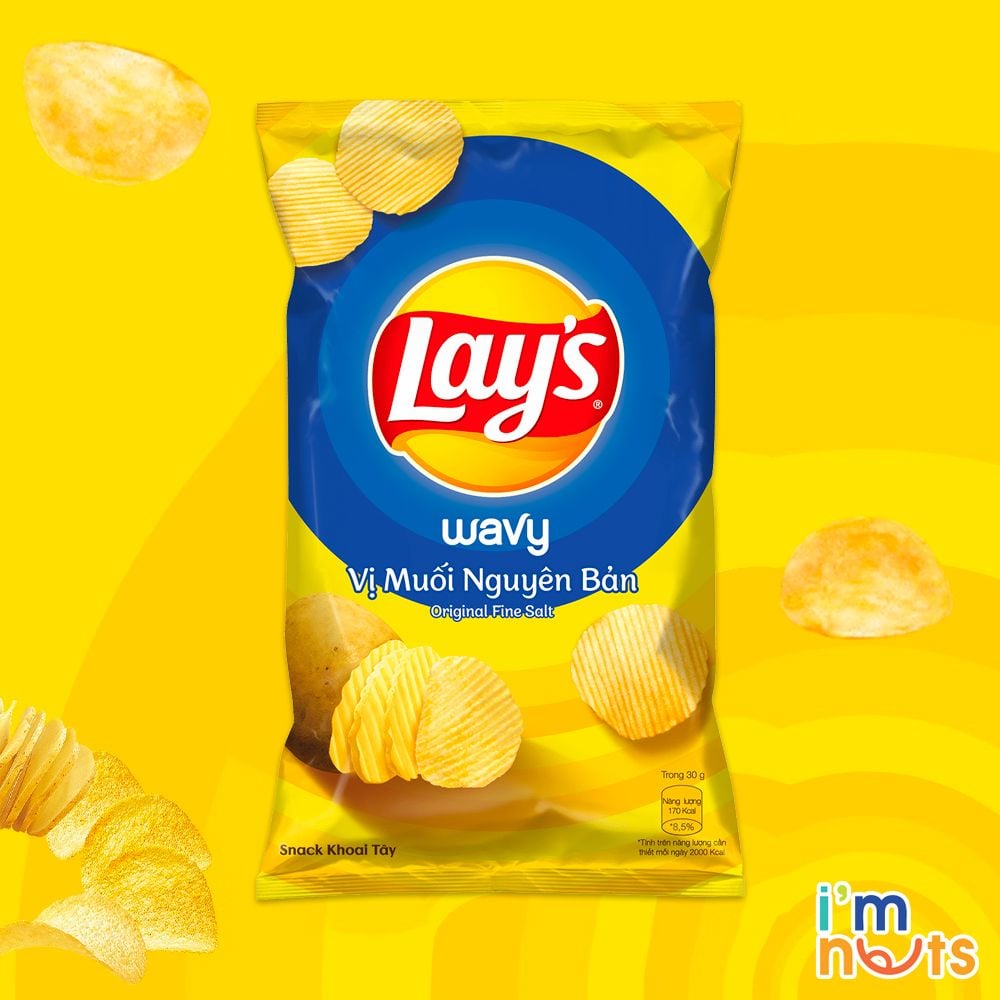
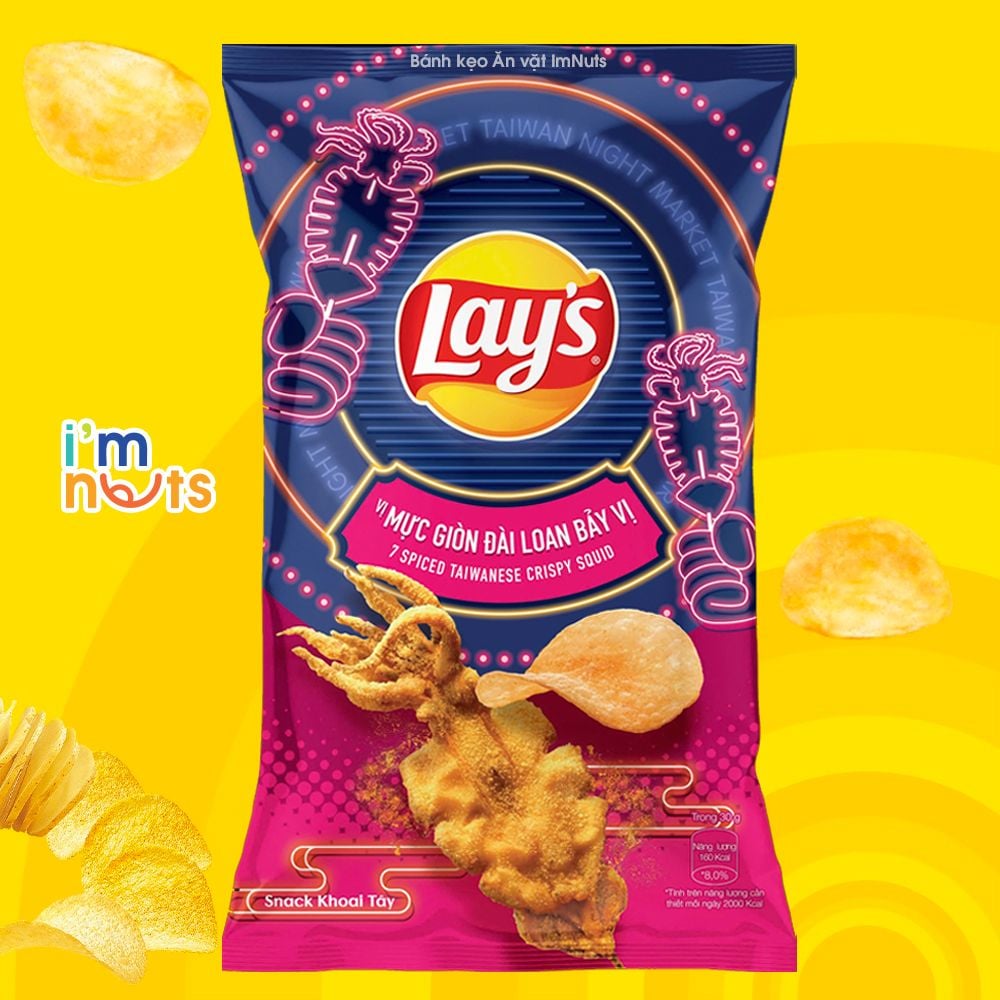
The Chips & Crisps category offers a comprehensive assortment of snack products developed to meet diverse consumer preferences and regional market demands. The range spans multiple ingredient bases and flavor profiles, allowing flexibility for different retail formats and target audiences. Key product segments within this category include:
Chips and crisps are highly suitable for international trade due to their strong global demand and wide consumer acceptance across age groups and regions. As everyday snack products, they benefit from consistent repeat purchases and stable market growth in both developed and emerging markets.
Their extended shelf life and protective packaging make chips and crisps well-adapted for long-distance transportation and international distribution. Compared to many food products, they require minimal handling complexity, helping to reduce logistical risks and maintain product quality throughout the supply chain.
For exporters and distributors, several major markets present particularly strong opportunities for chips and crisps. Countries such as the United States, China, Russia, Canada, and India represent high-demand regions driven by large consumer bases, established snack consumption habits, and expanding retail channels. Targeting these markets allows businesses to capitalize on both mature demand and long-term growth potential.
We stand out in sourcing chips and crisps for export by combining market knowledge with a structured, export-ready supply approach. Our ability to consistently deliver the right products to international markets is strengthened by the following key capabilities, which enhance efficiency, reliability, and scalability across the supply chain:
With in-depth market knowledge and hands-on experience in the chips and crisps category, we understand what drives demand across different regions and retail channels. Our expertise allows us to support buyers with the right product selection, pricing strategies, and market positioning tailored to their target markets.
Years of experience in sourcing and exporting snack products have enabled us to build reliable supplier networks and efficient trade processes. This category-specific focus ensures consistency in quality, dependable supply, and the ability to respond quickly to changing market conditions.
Beyond products, we are committed to delivering exceptional service at every stage of the trade cycle. From responsive communication and order coordination to documentation support and logistics execution, we work as a dedicated partner focused on long-term success and smooth international operations.
To explore our full range of chips and crisps and learn how we can support your export requirements, we invite you to download our product catalog or schedule a consultation with our team. Whether you are expanding into new markets or strengthening existing supply channels, we are ready to discuss tailored solutions that align with your business goals.
Start building your chips and crisps supply with a trusted export partner!